

coffee with floral aroma
The world of specialty coffee offers an extraordinary sensory journey, and few experiences are as enchanting as discovering coffee with floral aroma. These distinctive coffees transport you beyond the familiar bitter notes to a realm where delicate flower essences dance on your palate. From jasmine-scented Ethiopian beans to rose-kissed Colombian varieties, floral coffee represents the pinnacle of coffee craftsmanship, where terroir, processing methods, and roasting expertise converge to create something truly magical.
Floral coffee aromas aren't accidents—they're the result of specific growing conditions, careful processing, and masterful roasting that preserves and enhances these delicate characteristics. Whether you're a coffee connoisseur seeking new flavor horizons or someone curious about expanding your coffee palate, understanding floral coffee opens doors to a more sophisticated appreciation of this beloved beverage.
Understanding the Science Behind Floral Coffee Aromas
The enchanting floral notes in coffee emerge from complex chemical compounds called esters and aldehydes that develop during the bean's journey from cherry to cup. These volatile organic compounds are responsible for creating the delicate perfume-like qualities that distinguish floral coffee from more traditional roasts.

Geographic factors play a crucial role in developing these characteristics. High-altitude growing regions with specific soil compositions, temperature variations, and rainfall patterns create ideal conditions for coffee plants to develop floral compounds. Coffee chemistry reveals that these aromatic compounds are most pronounced in arabica varieties grown at elevations above 4,000 feet, where cooler temperatures slow cherry maturation and concentrate flavor development.
Processing methods significantly impact floral expression. The natural or dry processing method, where coffee cherries are sun-dried with their fruit intact, tends to enhance floral characteristics by allowing fermentation to develop complex esters. Conversely, washed processing can preserve cleaner floral notes by removing fruit before drying, resulting in more subtle but distinct aromatic profiles.
Varietal Influence on Floral Development
Certain coffee varieties are genetically predisposed to developing floral characteristics. Geisha coffee, originally from Ethiopia but now cultivated worldwide, is renowned for its jasmine and bergamot notes. Bourbon varieties often exhibit delicate rose-like qualities, while some Typica cultivars develop violet and lavender undertones.
The timing of harvest also affects floral intensity. Coffee cherries picked at peak ripeness contain optimal sugar levels that, when properly processed and roasted, translate into pronounced floral aromas. Under-ripe or overripe cherries rarely develop these sophisticated characteristics.
Regional Origins of Floral Coffee Varieties
Ethiopia stands as the undisputed king of floral coffee production, with regions like Yirgacheffe and Sidamo producing beans with intense jasmine, bergamot, and tea rose characteristics. The birthplace of coffee, Ethiopia's ancient heirloom varieties have evolved over millennia to express complex floral profiles that modern breeding programs struggle to replicate.
Colombian coffee regions, particularly Huila and Nariño, produce exceptional floral coffees with notes ranging from orange blossom to gardenia. The volcanic soils and mountain microclimates create perfect conditions for developing these delicate characteristics. Panama's Geisha varieties have gained international acclaim for their extraordinary floral complexity, often commanding premium prices at specialty auctions.
Hawaiian Kona coffee exhibits subtle floral notes with hints of macadamia blossom, reflecting the unique terroir of volcanic island growing conditions. Jamaican Blue Mountain coffee develops gentle floral undertones complemented by its famous mild character and exceptional balance.
Emerging Floral Coffee Regions
Yemen's ancient coffee traditions continue producing distinctive floral varieties, with Mocha coffee exhibiting wine-like floral complexity. Guatemalan Antigua coffee develops violet and lavender notes through volcanic soil influence, while Costa Rican Tarrazú regions produce coffees with delicate orange blossom characteristics.
Rwanda has emerged as a significant producer of floral coffee, with washing stations perfecting processing methods that highlight the natural floral potential of Bourbon varieties grown in the country's high-altitude regions. These efforts have positioned Rwanda as a serious contender in the specialty floral coffee market.
Brewing Methods to Enhance Floral Characteristics
Extracting optimal floral aromas requires careful attention to brewing parameters. Pour-over methods like V60 and Chemex excel at highlighting delicate floral notes through their clean filtration and controlled extraction. The paper filters remove oils that might mask subtle aromatic compounds while allowing floral esters to shine through.

Water temperature plays a critical role in floral extraction. Slightly lower temperatures, around 195-200°F, prevent over-extraction of bitter compounds while gently coaxing out delicate floral characteristics. Higher temperatures can destroy volatile aromatic compounds before they reach your cup.
Grind size significantly impacts floral expression. Medium-fine grinds provide optimal surface area for extracting floral compounds without over-extracting bitter elements. Consistent grind size ensures even extraction, preventing some particles from over-extracting while others remain under-extracted.
Advanced Brewing Techniques for Floral Coffee
The coffee-to-water ratio should favor lighter concentrations when targeting floral characteristics. A 1:16 or 1:17 ratio allows floral notes to express themselves without being overwhelmed by coffee strength. Bloom time becomes particularly important—allowing coffee to degas for 30-45 seconds during the initial pour helps volatile aromatic compounds prepare for extraction.
Cold brew methods can preserve delicate floral notes that might be damaged by heat. The extended extraction time compensates for lower temperatures, resulting in smooth, floral-forward coffee with remarkable clarity. French press brewing, while less common for floral varieties, can work with careful attention to steeping time and immediate plunging to prevent over-extraction.
Roasting Techniques for Preserving Floral Notes
Roasting coffee with floral aroma requires exceptional skill and restraint. Light to medium-light roasting profiles preserve the delicate compounds responsible for floral characteristics while developing enough body to create a balanced cup. Coffee roasting science demonstrates that floral compounds are among the first to disappear with excessive heat application.
Temperature control throughout the roasting process becomes crucial. Gradual heat application allows floral compounds to develop while preventing their destruction. Many roasters employ extended drying phases followed by careful heat ramping to preserve aromatic integrity.
First crack timing provides a crucial reference point for floral coffee roasting. Most floral characteristics are best preserved when roasting is stopped shortly after first crack begins, typically within the light to medium range. Pushing beyond this point risks caramelization that can mask or eliminate delicate floral notes.
Profile Development for Floral Expression
Airflow management during roasting affects floral development by controlling the removal of chaff and moisture while maintaining even heat distribution. Higher airflow during later roasting stages can help preserve aromatic compounds by preventing them from breaking down in stagnant hot air.
Cooling speed after roasting impacts floral retention. Rapid cooling stops the roasting process immediately, preventing continued development that might compromise delicate aromatic compounds. Professional roasters often use enhanced cooling systems to preserve maximum floral potential.
Pairing and Tasting Notes for Floral Coffee
Developing your palate for floral coffee requires understanding the spectrum of possible aromatic expressions. Common floral notes include jasmine, rose, lavender, orange blossom, bergamot, violet, and gardenia. Each brings distinct characteristics that interact differently with coffee's natural flavors.
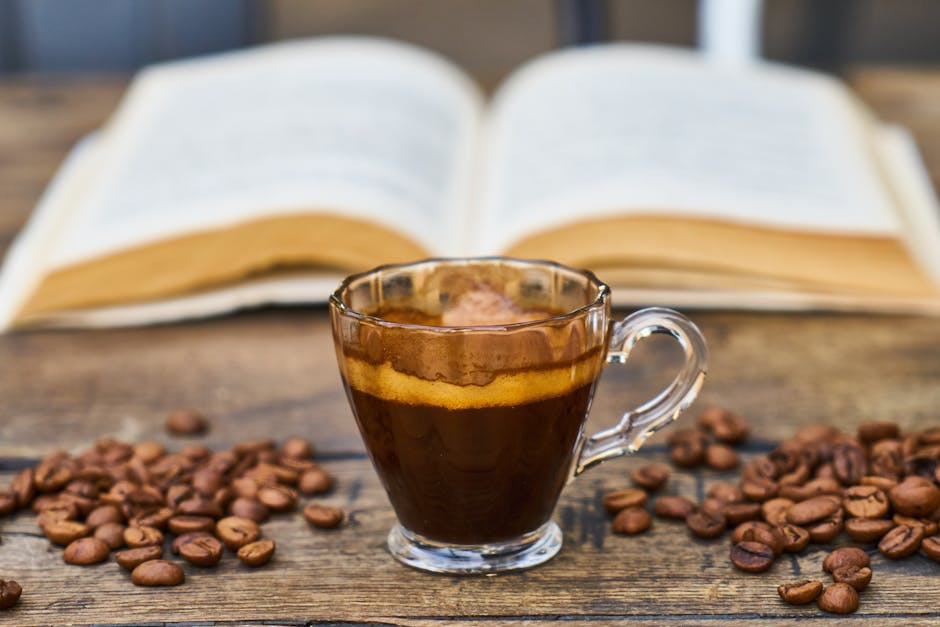
Tasting technique becomes particularly important with floral coffee. Allow the coffee to cool slightly after brewing, as many floral compounds become more apparent at moderate temperatures. Take time to inhale the aroma before tasting, as much of the floral experience occurs through your nose rather than your taste buds.
Food pairings can enhance or complement floral coffee characteristics. Light pastries with subtle sweetness allow floral notes to dominate, while citrus-based desserts can highlight bergamot or orange blossom qualities. Avoid strongly flavored foods that might compete with delicate floral expressions.
Seasonal Considerations for Floral Coffee
Floral coffee often tastes different throughout the year as beans age and environmental factors change. Freshly roasted floral coffee typically exhibits the most pronounced characteristics, gradually mellowing over time. Coffee freshness guidelines suggest consuming floral varieties within 2-4 weeks of roasting for optimal aromatic expression.
Storage becomes critical for preserving floral characteristics. Airtight containers in cool, dark locations help maintain volatile aromatic compounds. Avoid refrigerator storage, which can introduce moisture and foreign odors that compromise delicate floral notes.
The Art of Blending Floral Coffee
Creating exceptional floral blends requires understanding how different origins and processing methods interact. Ethiopian floral characteristics can provide aromatic lift to heavier Central American bases, while Colombian floral notes can add complexity to African coffees without overwhelming their unique characteristics.
Roasting different components to different degrees allows blenders to highlight specific floral aspects while maintaining overall balance. A lightly roasted Ethiopian component might provide jasmine notes, while a slightly darker Colombian addition contributes body and orange blossom characteristics.
Seasonal blending takes advantage of harvest timing from different regions. When Ethiopian coffees are at peak freshness, they can dominate the floral profile, while Guatemalan components might take precedence during their optimal period. This approach ensures consistent floral expression throughout the year.
At EleganceBrew, we understand that coffee with floral aroma represents more than just a beverage—it's an artistic expression that transforms your daily coffee ritual into a sensory journey. Our carefully curated selection of floral coffee varieties reflects years of relationships with growers who share our passion for exceptional quality and distinctive character.
Whether you're exploring Ethiopian Yirgacheffe's jasmine elegance or discovering Panamanian Geisha's bergamot complexity, floral coffee offers endless opportunities for palate development and appreciation. The journey from understanding terroir influences to mastering brewing techniques opens doors to coffee experiences that transcend the ordinary, creating moments of genuine sensory pleasure that elevate your day.
Experience the extraordinary world of floral coffee with EleganceBrew's expertly selected varieties, where each cup tells a story of careful cultivation, masterful processing, and artisanal roasting that preserves nature's most delicate aromatic gifts.


