

How to Make the Perfect Chai Latte at Home Without an Espresso Machine
The rich, aromatic blend of spices in a chai latte has captivated coffee and tea lovers worldwide. While coffee shops charge premium prices for this beloved beverage, creating a delicious chai latte at home without an espresso machine is not only possible but surprisingly simple. This comprehensive guide will transform your kitchen into a personal café, allowing you to craft authentic, flavorful chai lattes using everyday equipment and ingredients you likely already have on hand.
Understanding the Perfect Chai Latte Foundation
A traditional chai latte combines the warming spices of masala chai with creamy steamed milk, creating a harmonious balance of flavors. The key lies in understanding that you don't need expensive machinery to achieve café-quality results. The essential components include black tea, warming spices like cinnamon, cardamom, ginger, and cloves, milk of your choice, and a sweetener.
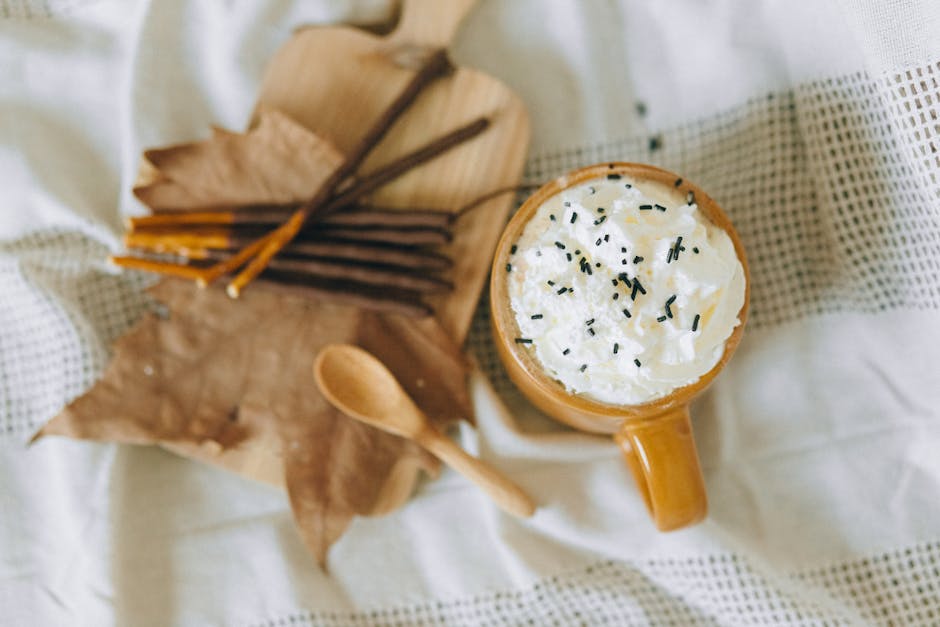
The beauty of making chai lattes at home lies in customization. You can adjust spice levels, sweetness, and milk ratios to match your exact preferences. Our brewing techniques guide emphasizes how proper temperature control and timing create superior beverage experiences, principles that apply perfectly to chai preparation.
Essential Ingredients for Homemade Chai
Quality ingredients form the foundation of exceptional chai lattes. Start with loose-leaf black tea or high-quality tea bags, preferably Assam or Ceylon varieties that can stand up to milk and spices. Fresh whole spices deliver more potent flavors than pre-ground alternatives, though both work effectively.
- Black tea: 2 teaspoons loose leaf or 2 tea bags per cup
- Whole spices: 4-5 cardamom pods, 1 cinnamon stick, 4-5 whole cloves, 1-inch fresh ginger piece
- Milk: Whole milk, oat milk, or almond milk (1 cup per serving)
- Sweetener: Honey, maple syrup, or brown sugar to taste
- Optional additions: Black peppercorns, star anise, fennel seeds
The Stovetop Simmering Method
The traditional stovetop method produces the most authentic chai latte experience, allowing spices to infuse slowly and develop complex flavors. This technique mimics how chai wallahs prepare tea throughout India, using gentle heat to extract maximum flavor from each ingredient.
Begin by crushing your whole spices lightly using the flat side of a knife or a mortar and pestle. This releases essential oils without creating powder. In a medium saucepan, combine one cup of water with your crushed spices and bring to a gentle boil. Reduce heat and simmer for 5-7 minutes, allowing the spices to infuse the water completely.
Adding Tea and Achieving Perfect Strength
Add your black tea to the spiced water and continue simmering for another 3-4 minutes. The liquid should develop a deep amber color, indicating proper extraction. According to research published in the National Center for Biotechnology Information, proper steeping time maximizes antioxidant extraction while preventing excessive tannin release that creates bitterness.
Pour in your milk gradually while stirring continuously. Bring the mixture back to a gentle simmer, watching carefully to prevent boiling over. The chai is ready when it reaches a creamy, light brown color and aromatic steam rises from the surface. Strain through a fine-mesh strainer to remove all spice pieces and tea leaves.
Quick Microwave Chai Latte Technique
For busy mornings or when you need chai quickly, the microwave method delivers satisfying results in under five minutes. While purists may prefer the stovetop approach, this technique proves invaluable for consistent, convenient chai preparation.
In a large microwave-safe mug, combine half a cup of water with a tea bag or loose tea in a tea infuser. Add a pinch each of ground cinnamon, ground cardamom, ground ginger, and a tiny amount of ground cloves. Microwave for 1-2 minutes until steaming hot, then let steep for 3 minutes.
Milk Preparation and Final Assembly
Remove the tea bag or infuser and stir in your sweetener while the liquid is hot. In a separate microwave-safe container, heat your milk for 30-45 seconds until warm but not boiling. For frothy milk without a steam wand, pour the warm milk into a large jar, secure the lid, and shake vigorously for 30 seconds. The milk will develop a creamy foam perfect for chai lattes.
Pour the frothed milk into your spiced tea, holding back the foam with a spoon, then dollop the foam on top. This technique creates the layered appearance and creamy texture characteristic of professional chai lattes.
French Press Chai Latte Innovation
A French press offers an elegant solution for chai preparation, providing excellent infusion control and built-in straining capabilities. This method works particularly well when preparing multiple servings or when you want to steep spices and tea together efficiently.

Heat water to approximately 200°F (just below boiling) and add it to your French press along with loose tea and lightly crushed spices. Allow the mixture to steep for 5-6 minutes, then slowly press the plunger down to separate the liquid from solids. The slow pressing action ensures maximum flavor extraction while creating smooth, sediment-free chai.
Heat your milk separately using any preferred method, then combine with the pressed chai concentrate. The French press technique produces highly concentrated chai that pairs beautifully with various milk alternatives. Our flavor consultation services often recommend this method for customers seeking café-quality results at home.
Advanced Flavor Customization Techniques
Mastering basic chai preparation opens doors to endless customization possibilities. Experiment with spice ratios to develop your signature blend, adjusting quantities based on personal preferences and seasonal availability. Winter blends might emphasize warming spices like cinnamon and ginger, while summer versions could feature lighter cardamom and fennel notes.
Creating Spice Blend Variations
Regional chai variations offer inspiration for unique flavor profiles. Kashmiri chai incorporates green tea and pink salt, while South Indian versions emphasize curry leaves and black pepper. Research from Healthline highlights how different spice combinations provide varying health benefits, from anti-inflammatory properties to digestive support.
Consider preparing large batches of custom spice blends, storing them in airtight containers for convenient daily use. Toast whole spices lightly in a dry pan before grinding to intensify flavors and create more complex aromatic profiles.
Milk Alternatives and Dietary Considerations
Plant-based milk alternatives have revolutionized chai preparation for those with dietary restrictions or preferences. Oat milk provides natural creaminess that complements chai spices beautifully, while coconut milk adds subtle tropical notes. Almond milk works well for lighter versions, though it may require slight adjustments to spice quantities for optimal flavor balance.
Each milk alternative behaves differently when heated, requiring slight technique modifications. Coconut milk tends to separate at high temperatures, so gentle heating proves essential. Oat milk froths exceptionally well, making it ideal for latte-style presentations. Food & Wine's comprehensive plant milk guide provides detailed information about how different alternatives perform in hot beverages.
Sweetener Selection and Health Benefits
Traditional chai preparation often includes jaggery or raw sugar, but modern variations accommodate various sweetening preferences. Honey adds floral notes that complement spices naturally, while maple syrup provides subtle caramel undertones. Date syrup offers natural sweetness with additional minerals and fiber.
For sugar-free options, consider stevia or monk fruit sweeteners, though these may require flavor adjustments since they lack the body that natural sugars provide. Some chai enthusiasts prefer unsweetened versions, allowing spice complexity to shine without competing sweetness.
Troubleshooting Common Chai Problems
Even experienced home brewers encounter occasional challenges when perfecting their chai technique. Bitter chai typically results from over-steeping tea or using water that's too hot, while weak chai suggests insufficient spice quantities or inadequate steeping time. Grainy texture often indicates inadequate straining or milk that has curdled due to excessive heat.

Temperature control remains crucial throughout the process. Water approaching boiling point extracts spices effectively without over-extracting tannins from tea. Milk should never reach a full boil, as this can cause curdling and unpleasant texture changes.
Storage and Batch Preparation
Preparing chai concentrate in larger batches saves time while ensuring consistent flavors throughout the week. Concentrate keeps refrigerated for up to one week, requiring only reheating and milk addition for instant chai lattes. This approach particularly benefits busy households or home offices where quick beverage preparation is essential.
Store prepared concentrate in glass containers to prevent flavor absorption from plastic. When ready to serve, heat concentrate gently and add warm milk in your preferred ratio. This method maintains optimal flavor while dramatically reducing daily preparation time. Our storage techniques article provides additional insights for maintaining beverage quality over time.
Conclusion
Creating exceptional chai lattes at home without specialized equipment is entirely achievable with proper techniques and quality ingredients. Whether using the traditional stovetop method, quick microwave technique, or innovative French press approach, the key lies in understanding how spices, tea, and milk interact to create harmonious flavors.
Experiment with different spice combinations, milk alternatives, and sweetening options to develop your perfect chai recipe. The journey of chai exploration offers endless possibilities for customization while providing the satisfaction of crafting café-quality beverages in your own kitchen.
Ready to elevate your home brewing experience further? Discover EleganceBrew's premium coffee and tea collections to enhance your daily beverage rituals with expertly curated flavors that complement your newfound chai expertise.


