

Nothing beats the rich, buttery sweetness of caramel paired with aromatic coffee to start your morning or provide an afternoon pick-me-up. While café visits can be expensive and time-consuming, mastering caramel coffee recipes at home allows you to enjoy barista-quality beverages whenever you crave them. Whether you're a coffee novice or an experienced home brewer, this comprehensive guide will teach you everything you need to know about creating delicious caramel coffee drinks in your own kitchen. From simple caramel lattes to elaborate frappés, we'll explore techniques, ingredients, and pro tips that will elevate your coffee game and impress family and friends.
Essential Ingredients for Perfect Caramel Coffee
Creating exceptional caramel coffee recipes at home starts with understanding your ingredients. The foundation of any great caramel coffee lies in three key components: quality coffee, caramel flavoring, and the right dairy or non-dairy base.
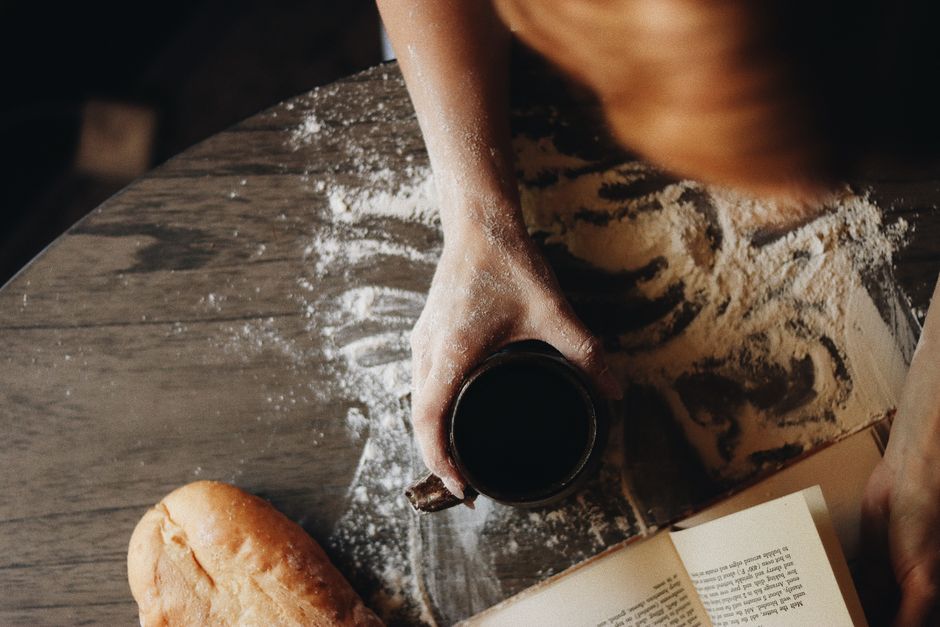
For the coffee base, choose freshly ground beans with medium to dark roast profiles that complement caramel's sweetness. Arabica beans typically work best due to their smooth, less acidic flavor that won't compete with the caramel. Consider blends with chocolate or nutty undertones that naturally pair with caramel's buttery richness.
When it comes to caramel flavoring, you have several options. Homemade caramel sauce provides the most authentic taste and allows you to control sweetness and consistency. Store-bought caramel syrups offer convenience and consistent results, while caramel extract provides intense flavor with minimal sweetness. For those seeking natural alternatives, coconut sugar caramelized creates a healthier option with complex flavors.
The milk component significantly impacts your drink's texture and taste. Whole milk creates the creamiest texture, while 2% milk offers a lighter feel. For non-dairy options, oat milk provides natural sweetness that complements caramel, while almond milk offers a nutty undertone. Heavy cream transforms simple coffee into an indulgent treat perfect for special occasions.
Mastering Homemade Caramel Sauce
Learning to make caramel sauce from scratch elevates your caramel coffee recipes at home to professional levels. This fundamental skill requires just four ingredients: sugar, water, butter, and heavy cream.
Classic Caramel Sauce Recipe
Start by combining one cup of granulated sugar with ¼ cup of water in a heavy-bottomed saucepan. Heat the mixture over medium heat without stirring until it reaches a deep amber color, typically 8-10 minutes. The key is patience – rushing this process results in crystallization or burning.
Once the sugar reaches the perfect amber shade, immediately remove it from heat and slowly whisk in ¼ cup of heavy cream. The mixture will bubble vigorously, so exercise caution. Add two tablespoons of cold butter and ½ teaspoon of vanilla extract, whisking until smooth. For coffee applications, add a pinch of sea salt to enhance the caramel's complexity.
Storage and Variations
Homemade caramel sauce keeps refrigerated for up to two weeks. Warm it gently before adding to coffee, as cold caramel won't blend properly. Create variations by adding different extracts, spices like cinnamon or cardamom, or even a splash of bourbon for adult beverages.
For those interested in exploring more sophisticated flavor profiles, our comprehensive flavor pairing guide offers expert insights into combining caramel with other complementary tastes.
Essential Equipment for Home Caramel Coffee Making
Success with caramel coffee recipes at home depends partly on having the right tools. While you don't need professional espresso equipment, certain items make the process easier and results more consistent.
A quality coffee maker or espresso machine forms the foundation. French presses work excellently for full-bodied coffee that stands up to caramel additions. Moka pots create strong, espresso-style coffee perfect for lattes. For those without specialized equipment, a simple drip coffee maker produces acceptable results when using a higher coffee-to-water ratio.
Milk frothing tools transform ordinary coffee into café-style beverages. Electric milk frothers provide convenience and consistent results. French presses can double as milk frothers by plunging heated milk vigorously. Even a simple whisk and saucepan create adequate foam with proper technique.
Additional helpful tools include a reliable thermometer for heating milk to optimal temperatures (150-160°F), measuring spoons for consistent syrup ratios, and attractive mugs that enhance the drinking experience. Glass mugs showcase the beautiful layers in caramel macchiatos, while ceramic mugs retain heat better for leisurely sipping.
Classic Caramel Coffee Recipes
Now that you understand the fundamentals, let's explore specific caramel coffee recipes at home that rival your favorite café offerings.

Caramel Latte
This café staple combines espresso, steamed milk, and caramel for pure comfort in a cup. Brew two shots of strong espresso or ½ cup of concentrated coffee. Add two tablespoons of caramel sauce to your mug, pour in the hot espresso, and stir to combine.
Heat one cup of milk to 150°F, then froth using your preferred method. Pour the steamed milk into the mug, holding back the foam with a spoon, then top with the foam. Drizzle additional caramel sauce over the foam for visual appeal and extra sweetness.
Iced Caramel Macchiato
Perfect for warm weather, this refreshing drink layers vanilla, milk, espresso, and caramel for a complex flavor profile. Fill a tall glass with ice and add one tablespoon of vanilla syrup. Pour in ¾ cup of cold milk, leaving room at the top.
Slowly pour one shot of espresso over the back of a spoon to create a distinct layer on top of the milk. Finish by drizzling caramel sauce in a crosshatch pattern over the surface. The key is not stirring – let drinkers mix flavors as they sip.
Caramel Cappuccino
This Italian-inspired drink emphasizes the coffee flavor while adding subtle caramel sweetness. Brew one shot of espresso and add one tablespoon of caramel sauce. Heat ⅓ cup of milk and create thick, velvety foam. The foam should be dense enough to support the weight of cocoa powder or cinnamon sprinkled on top.
Pour the caramel-espresso mixture into a cappuccino cup, then carefully spoon the foamed milk on top. Dust with cocoa powder and add a light caramel drizzle for finishing touches.
Advanced Caramel Coffee Techniques
Once you've mastered basic recipes, explore advanced techniques that create restaurant-quality caramel coffee recipes at home.
Temperature Control
Precision matters in coffee preparation. Espresso extracts best with water between 195-205°F, while milk steams optimally at 150-160°F. Overheated milk develops a burnt taste that clashes with delicate caramel flavors. Professional baristas emphasize that temperature control separates good coffee from exceptional coffee.
Layering Techniques
Creating distinct layers requires understanding liquid densities. Syrups settle to the bottom due to higher sugar content, while foam floats due to air incorporation. Pour liquids slowly over spoon backs to maintain separation, and use different temperatures to your advantage – cold liquids maintain better separation than hot ones.
Flavor Balancing
Professional-quality caramel coffee requires balancing sweetness, bitterness, and richness. Start with less caramel than you think necessary – you can always add more, but removing excess sweetness proves difficult. Consider the coffee's natural flavor profile when adjusting caramel quantities. Bold, dark roasts need more caramel to balance their intensity, while lighter roasts require subtle caramel additions to avoid overwhelming delicate flavors.
For those seeking to expand their flavor repertoire beyond caramel, explore our professional consultation services where expert baristas share advanced techniques for creating complex flavor profiles.
Seasonal and Creative Variations
Mastering caramel coffee recipes at home opens doors to endless creativity. Seasonal variations keep your coffee routine exciting while incorporating fresh, timely flavors.
Fall variations might include caramel apple coffee with apple cider reduction, pumpkin caramel lattes with real pumpkin purée, or spiced caramel coffee featuring cinnamon, nutmeg, and clove. These combinations celebrate autumn's harvest flavors while maintaining caramel's comforting sweetness.
Winter calls for richer, more indulgent variations. Consider caramel eggnog coffee for holiday entertaining, peppermint caramel mochas that combine mint's freshness with caramel's warmth, or bourbon caramel coffee for adult evening treats.
Spring and summer variations focus on lighter, more refreshing approaches. Caramel cold brew provides smooth, less acidic coffee perfect for hot days. Caramel frappés blend ice, coffee, and caramel for frozen treats. Even caramel coffee ice cubes create interesting presentations while preventing dilution in iced drinks.
International Inspirations
Draw inspiration from global coffee cultures to create unique caramel combinations. Mexican-inspired caramel coffee incorporates cinnamon and vanilla, reflecting traditional Mexican hot chocolate flavors. French café au lait with caramel honors classic European café culture. Vietnamese-style caramel coffee uses condensed milk for extra richness and sweetness.
Health-Conscious Caramel Coffee Options
Enjoying caramel coffee recipes at home doesn't mean abandoning health goals. Smart substitutions maintain delicious flavors while reducing calories, sugar, or dairy content.
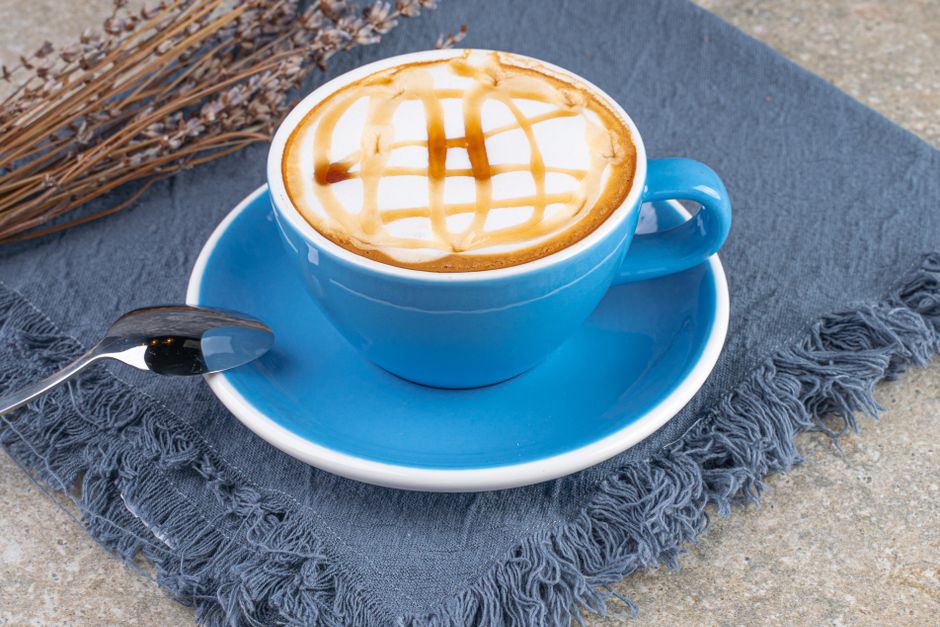
Sugar alternatives like stevia, monk fruit, or erythritol can replace traditional caramel syrups. Date syrup provides natural sweetness with added nutrients. Coconut sugar caramelizes beautifully and offers lower glycemic impact than white sugar.
Plant-based milk alternatives accommodate various dietary restrictions. Oat milk's natural sweetness reduces the need for additional caramel, while cashew milk creates incredibly creamy textures. Coconut milk adds tropical notes that complement caramel's richness.
Protein additions transform caramel coffee into nutritious meal replacements. Vanilla protein powder blends seamlessly with caramel flavors, while collagen peptides add protein without affecting taste. These modifications help maintain energy levels and support fitness goals.
According to Harvard Health Publishing, moderate coffee consumption offers numerous health benefits, making your homemade caramel coffee both delicious and potentially beneficial when consumed responsibly.
Troubleshooting Common Issues
Even experienced home baristas encounter challenges when perfecting caramel coffee recipes at home. Understanding common problems and their solutions ensures consistent results.
Crystallized caramel results from stirring sugar while heating or introducing impurities. Prevent this by using clean utensils, avoiding stirring until sugar melts completely, and adding acid like lemon juice to stabilize the mixture. If crystallization occurs, start over rather than attempting repairs.
Separated or curdled milk typically happens when adding hot coffee to cold milk too quickly. Always heat milk gradually and temper temperature differences by adding coffee slowly while stirring. Using fresh milk also prevents curdling issues.
Overly sweet or bitter coffee requires rebalancing. If too sweet, increase coffee strength or add a pinch of salt to enhance coffee flavors. If too bitter, ensure proper extraction time and water temperature, or add small amounts of caramel until balanced.
Cost-Effective Home Brewing
Creating caramel coffee recipes at home provides significant savings compared to daily café visits. A homemade caramel latte costs approximately $1.50 including high-quality ingredients, while café versions often exceed $5.00.
Buying ingredients in bulk reduces costs further. Large bags of quality coffee beans, purchased whole and ground fresh, maintain flavor while reducing per-cup costs. Making caramel sauce in larger batches and properly storing it maximizes efficiency and minimizes waste.
Consider joining coffee subscription services or buying directly from roasters for the freshest beans at competitive prices. Many roasters offer discounts for recurring orders or bulk purchases.
For comprehensive guidance on selecting premium coffee beans that pair perfectly with caramel, visit our About page to learn about EleganceBrew's commitment to sourcing exceptional flavored coffee blends.
Conclusion
Mastering caramel coffee recipes at home transforms your daily routine while saving money and providing endless creative possibilities. From understanding essential ingredients and equipment to perfecting advanced techniques and seasonal variations, you now possess the knowledge to create café-quality beverages in your own kitchen.
The journey from basic caramel coffee to sophisticated creations requires practice, but the rewards – both financial and gustatory – make the effort worthwhile. Remember that great coffee starts with quality ingredients, benefits from proper technique, and improves with experimentation.
Start with simple recipes and gradually incorporate advanced techniques as your confidence grows. Don't be afraid to adjust ratios, try new flavor combinations, or adapt recipes to suit dietary preferences. The best caramel coffee recipe is the one that perfectly suits your taste.
Ready to begin your caramel coffee adventure? Explore EleganceBrew's collection of premium flavored coffee blends specifically crafted to complement caramel and create extraordinary home brewing experiences. Your perfect cup awaits – start brewing today!


